
Medcoa Biotechnology (Shanghai) Co., Ltd. logo

Product Series

In short

Medcoa supplies three hydrophilic coating series for medical devices. The series is selected by two criteria: the regulatory class and contact nature of the device, and the substrate to be coated. All three are supplied as liquids ready to use and are cured by UV, with the metal-substrate series additionally using thermal curing.

Selection at a Glance

Regulatory classContactSubstrateSeries
Class IIIBlood contactPolymer (TPU, PA, PVC, Pebax)CV
Class IINon-blood contactPolymer (TPU, PA, PVC)UC
AnyBlood or non-bloodMetal (stainless steel, nitinol)MT

Regulatory class refers to NMPA classification. Where a device could fit more than one series, the choice is settled by fit testing on actual samples.

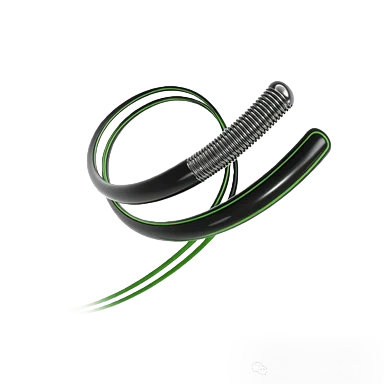
Changtu™ CV hydrophilic coating applied to a cardiovascular interventional catheter: wetted guidewire surface
CV

Changtu™ CV Series

NMPA Class III · Blood contact

Blood-contacting hydrophilic coating for polymer-based Class III devices, designed for low particulate release.
Substrates:
TPU, PA (nylon), PVC, Pebax
Cure:
UV-cured (intensity ≥30 mW/cm²)
Technical details →
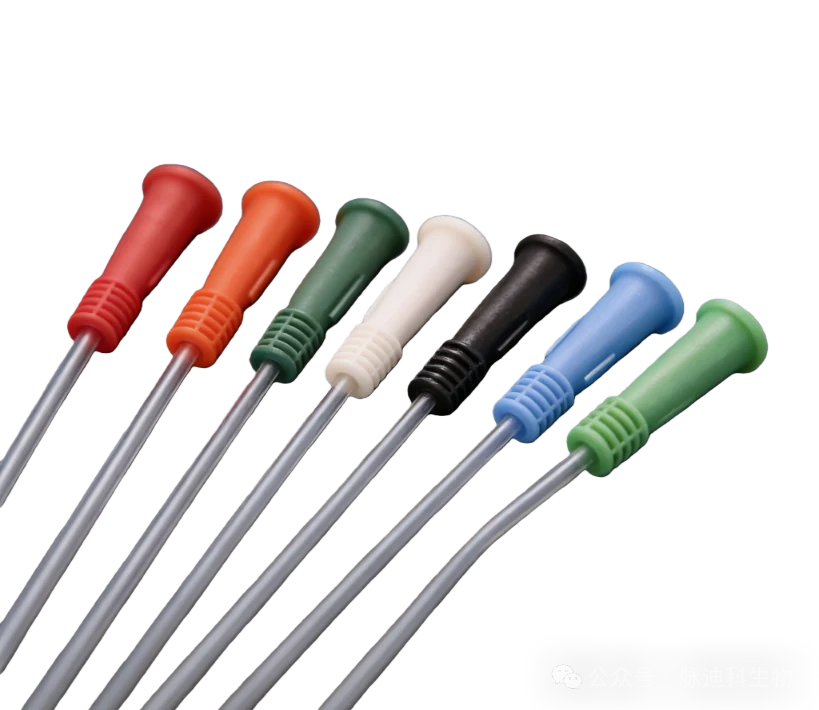
Youtu™ UC hydrophilic coating on urological and surgical devices: catheter tips in several sizes
UC

Youtu™ UC Series

NMPA Class II · Non-blood contact

Non-blood-contact hydrophilic coating for polymer-based Class II devices, designed around a wide working window.
Substrates:
TPU, PA (nylon), PVC
Cure:
UV-cured (intensity ≥30 mW/cm²)
Technical details →
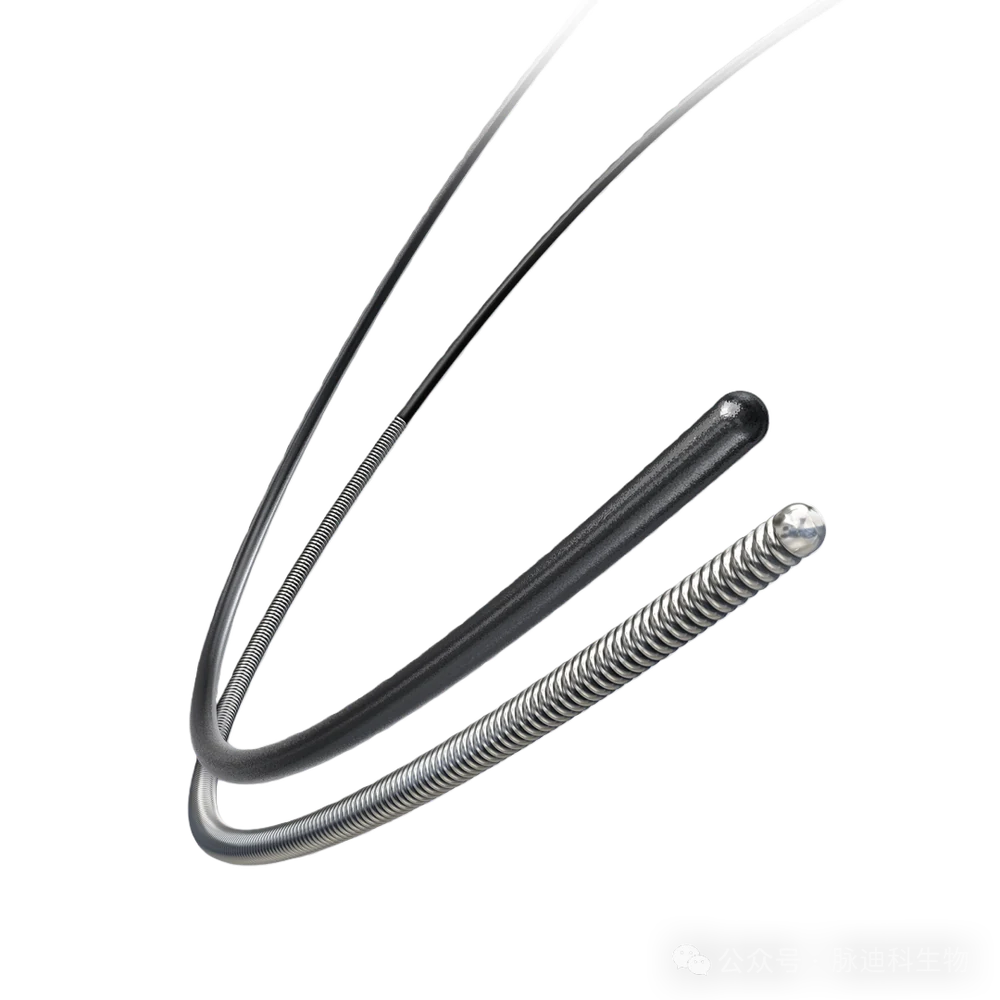
Meitu™ MT hydrophilic coating on metal-substrate devices: coated guidewire compared with an uncoated surface
MT

Meitu™ MT Series

Metal-substrate medical devices

Coating system optimised for the adhesion challenge on stainless steel and nitinol surfaces.

Substrates:
Stainless steel, Nitinol, Other metal substrates
Cure:
Thermal + UV-cured (intensity ≥30 mW/cm²)
Technical details →

Common Questions

Selection, cure process and documentation questions we receive most often.

How do I choose between the three product series?
Selection follows the regulatory class and substrate of the device. Blood-contacting Class III devices on polymer substrates use Changtu™ CV, which is designed for low particulate release. Non-blood-contact Class II devices use Youtu™ UC, which offers longer lubricity retention. Metal substrates such as stainless steel and nitinol use Meitu™ MT, whose primer system is engineered for adhesion to metal. Where a device could fit two series, the choice is settled by fit testing on actual samples.
Which substrates does each series support?
Changtu™ CV supports TPU, PA (nylon), PVC and Pebax. Youtu™ UC supports TPU, PA and PVC. Meitu™ MT supports stainless steel, nitinol and other metal substrates. Substrate type is the first selection criterion because surface energy determines pre-treatment and primer requirements.
Are the coatings supplied ready to use?
Yes. All three series — Changtu™ CV, Youtu™ UC and Meitu™ MT — are supplied as liquids, ready to use, with no on-site mixing required. This removes batch variation caused by mixing ratio errors and mixing uniformity, and moves the consistency control point to the supplier.
What cure equipment is required?
Changtu™ CV and Youtu™ UC are UV-cured at an intensity of 30 mW/cm² or above. Meitu™ MT uses thermal curing combined with UV curing, so the production line needs both a heating step and a UV exposure step. We confirm your existing line conditions during selection and assess whether the process flow or equipment needs adjustment.
Can you provide documentation to support device registration?
Yes. We provide material chemical composition and safety data, material characterisation data, ISO 10993 series biological evaluation data, and a TÜV SÜD biological evaluation report for hydrophilic-coated urinary catheters (Report No. 748267139301C/CN). NMPA Master File registration is not yet completed. If your submission timeline is fixed, confirm the document list and delivery schedule with us at project kick-off.
What is the shelf life and storage condition?
The shelf life is 3 years from manufacture, stored at room temperature and protected from light. Storage conditions after opening follow the technical file of the specific grade; we supply handling instructions with each shipment.

Not sure which series fits?

Send the device construction, substrate grade and target performance — coefficient of friction or lubricity retention — and we will recommend a series and process route, and arrange samples where appropriate.

Request a Sample

Medcoa supplies coating materials and technical data. Final device performance depends on the customer's substrate, process and application; selection guidance on this page is not a performance guarantee.